


AI Optimizes Operations in Demanding Market Conditions
By Bernhard Eschermann, ABB Industrial Automation
Analyst studies suggest that industrial companies typically are able to use only 20 percent of the data generated, which...
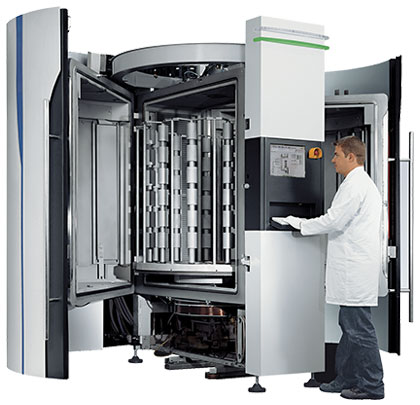
Extending the Life of Precision Components in Demanding Applications: Part 1...
Although bearings, gears, rollers, and other precision components are generally made of hardened steel or metal alloys, those utilized in high load applications still...
Predicting vertical motor resonance
Vibration in rotating machinery is a leading cause of premature failure, costly downtime, and safety hazards. For operators of vertical motors, one of the...
Partnership provides reserve power to the Emerald Isle
PARTNER PROFILE
Mytilineos, founded in Greece in 1990, is an industrial and energy multinational company, listed on the Athens Exchange, that employs directly or indirectly...

The world’s largest untapped resource: excess heat: Part 1 of 3
Among experts there is increasing consensus that spiking energy prices are likely to linger on for the next few years, at least. While the...
Vibration Monitoring That Anyone Can Afford: Part 1 of 2
Vibration monitoring is a crucial component for almost any manufacturing concern, especially when facility managers are charged with ensuring the performance of high power,...
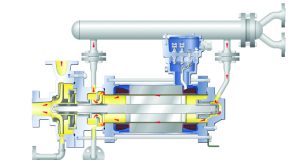
Canned Motor Pumps Update
By Heinz P. Bloch
As a reliability professional since 1962, the author had many occasions to evaluate industry experience and feedback (see reference 1). He...
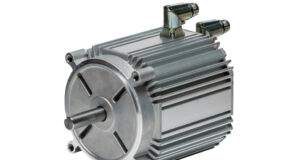
How PMAC Motors Are Often the Best Solution for Processing Applications
By Matt Hanson, Bison Gear and Engineering
Selecting the right type of motor for your next machine build now includes a new option to consider....
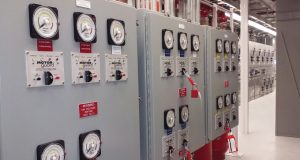
Continuous “Hands Off” Insulation Resistance Testing of Critical Motors
For decades, plant personnel have performed insulation resistance tests with handheld megohmmeters to prevent motor failures that lead to costly unplanned shutdowns, penalties, and...
Driven Toward Innovation
Ferdinand Porsche is best known today for the sports cars that bear his name, but, among other engineering breakthroughs, he also built the first...