

Long-term Benefits of the Total Systems Approach
Operators are constantly looking for methods to improve the life cycle and lower ownership costs for submersible pumps. One strategy that SWPA has advocated...
Repair or Replace? Evaluating Your Aging Submersible
Submersible pumps are known for their reliability, but even the sturdiest of equipment wears down or, eventually, needs replacement. When to end a pump’s...
Assessing Aftermarket Components for Submersibles
The investment in a submersible pump is more than just the initial purchase and installation costs. Extending a pump’s life with replacement parts can...

The Role of Online Training for Pump Professionals
By SWPA Executive Director Adam Stolberg
Due to the ongoing global COVID-19 pandemic, the last year has presented many industries with uncertainty and a need...

Submersibles Going Green
From OEMs to municipalities, every sector along the pump industry’s path is seeking more sustainable approaches to traditional operations. Below, SWPA Executive Director Adam...
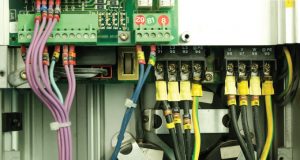
Submersibles and VFDs: Working Together
By SWPA Executive Director Adam Stolberg and Chris Caldwell, Pete Duty & Associates
Whether operators are seeking firmer control of their pumping speeds or greater...
The Versatile Submersible: Applications Beyond the Everyday
Workers in municipal lift stations know how efficient and effective submersibles wastewater pumps are—the workhorses of solids-handling pumps—but other attributes make them a good...

Opting Into the Dry Well Advantage
Dry well submersible pumps are some of the most versatile and reliable products on the market today. They’ve earned that reputation through years of...
Controls for Submersible Pumps
Inefficiencies due to archaic or poorly planned control systems can quickly lead to rising costs for many submersible pump applications. Without effective monitoring, these...
The Importance of Continuous Education and Training
From design to installation, from inspection to maintenance, the training and education needed to make submersible pumps run effectively and efficiently continues to grow....